The holidays can be some of the most rewarding times of the year, but they can also be challenging if you wear hearing aids. Family gatherings, busy restaurants, holiday music and multiple conversations happening at once can make listening more demanding. The good news is that a few simple habits can help your hearing aids perform their best when you need them most.
Hearing aids can improve communication and daily interactions for many people with hearing loss, but it’s absolutely critical that they are properly fitted and maintained.1 That makes regular care especially valuable during the holiday season, when communication often takes center stage.
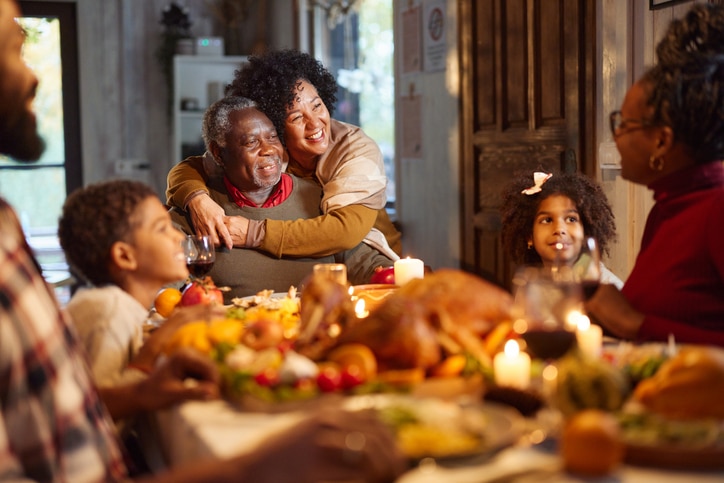
Give Your Hearing Aids A Holiday Tune-Up
If you already know you’ll be attending several gatherings, it may help to check your hearing aids before your calendar fills up.
Take a few minutes to:
- Clean microphones and speaker openings according to manufacturer recommendations.
- Replace wax guards if they’re due for a change.
- Charge rechargeable devices fully before events.
- Keep spare batteries with you if your hearing aids use disposable batteries.
- Confirm that your hearing aids are connecting properly to any smartphone apps or accessories you use.
Small maintenance tasks are easy to overlook this time of year. Yet they’re often the difference between clear sound and unnecessary frustration.
Prepare For Noisy Holiday Environments
One of the biggest complaints people have during holiday celebrations isn’t volume. It’s competing noise.
Imagine sitting at a table with grandchildren chatting nearby, dishes clinking in the kitchen and holiday music playing in the background. Even with hearing aids, separating speech from surrounding sounds can be challenging.
A few practical approaches include:
- Choosing a seat away from speakers or loud kitchen activity.
- Positioning yourself so you can see the faces of people speaking.
- Taking listening breaks if you begin feeling mentally fatigued.
- Using any restaurant or speech-focused listening programs available on your devices.
For many people in Rockport and Waterville, Maine, even one adjustment to hearing aid settings can noticeably improve comfort during seasonal events.
Can Hearing Aid Settings Be Adjusted For Noisy Holiday Environments?
Yes. Many modern hearing aids can be programmed with settings designed to better manage background noise and improve speech understanding in busy social situations.
If conversations have become difficult despite regular hearing aid use, an audiologist may be able to fine-tune your devices based on the environments you encounter most often.
Protect Your Devices from Seasonal Conditions
Cold temperatures, moisture and frequent travel can affect hearing aid performance.
Moving repeatedly between chilly outdoor air and warm indoor environments may create condensation inside hearing aids. If you’re traveling or spending long days away from home, storing your devices in a protective case and following routine cleaning habits can help prevent avoidable problems.
A little preparation goes a long way.
What Should I Do If My Hearing Aids Suddenly Stop Working During The Holidays?
First, check the battery or charge level, inspect the device for wax buildup and verify that all components are seated properly. Many common hearing aid issues are caused by maintenance needs rather than device failure.
If the problem persists, contact your hearing care provider for guidance rather than waiting until the season is over.
Stay Focused On Connection
The holidays are ultimately about spending time with people who matter to you. Hearing aids are tools that help support those moments.
If your hearing aids haven’t been performing as well as you’d like, or if social situations have become more tiring than they used to be, a conversation with the team at Gary D. Schwartzberg, Au.D., Doctor of Audiology may help identify adjustments that better match your listening needs. Sometimes a small change can make holiday conversations feel much easier and far more enjoyable.
Learn More
Sources
1 National Institute on Deafness and Other Communication Disorders. “Hearing Aids.” https://www.nidcd.nih.gov/health/hearing-aids