An estimated 28.8 million U.S. adults could benefit from hearing aids.1 If you’re among those who enjoy the amplified speech these devices offer, you know how important daily care and regular service appointments are to their proper functioning.
One facet of hearing aid care to keep in mind is replacing your devices when they become outdated or no longer meet your needs. Let’s look at a couple of signs that it’s time for a new set of hearing aids.
Your Devices Show Signs of Damage
Even with a good care routine, hearing aids can undergo significant wear and tear over the years. Damage could come from dropping your devices, exposing them to excess moisture (a common concern in Maine’s humid climate), infrequent cleaning or even your pets treating your hearing aids like a chew toy. In many cases, the manufacturer or our practice can repair damage.
A few signs of damaged hearing aids include:
- Crackling sound
- Whistling noise
- Low volume
- Quickly depleting battery life
- Cracks or bent metal on the external parts
If you notice any signs of damage, schedule a service & repair appointment. We can inspect your device to identify the issue and let you know if it’s repairable.
Outdated Technology
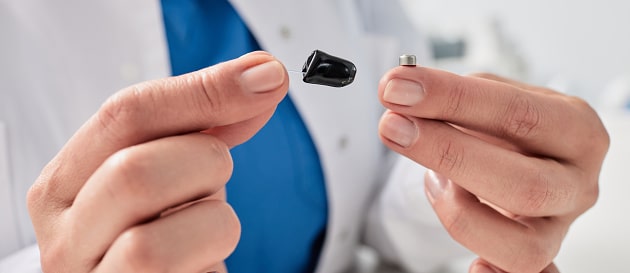
Like many types of tech, hearing aids advance rapidly. Today’s devices have features like Bluetooth®, sound masking for tinnitus, AI processing, background noise suppression and even fall detection. If your current devices don’t offer the features you want, that’s a good sign it’s time for new ones.
Progressing Hearing Loss
Hearing loss changes over time, especially when it results from aging. Because the condition isn’t static, it can outpace the amplification your hearing aids provide; moving from in-the-ear models with lower amplification to behind-the-ear options with greater amplification is common.
If your hearing aids aren’t meeting your needs the way they used to, call us to schedule a hearing test and device inspection. We’ll go over your options to help you make the right decision about your hearing care.
Sources
1 National Institute on Deafness and Other Communication Disorders. (2024, September 21). Quick statistics about hearing, balance, & dizziness. National Institutes of Health. https://www.nidcd.nih.gov/health/statistics/quick-statistics-hearing