There’s a lot of preparation that goes into a trip, especially if you’re traveling by airplane. If you’re among the 15% of U.S. adults with hearing loss[1], you’ll need to consider your hearing aids in your pre-trip preparations.
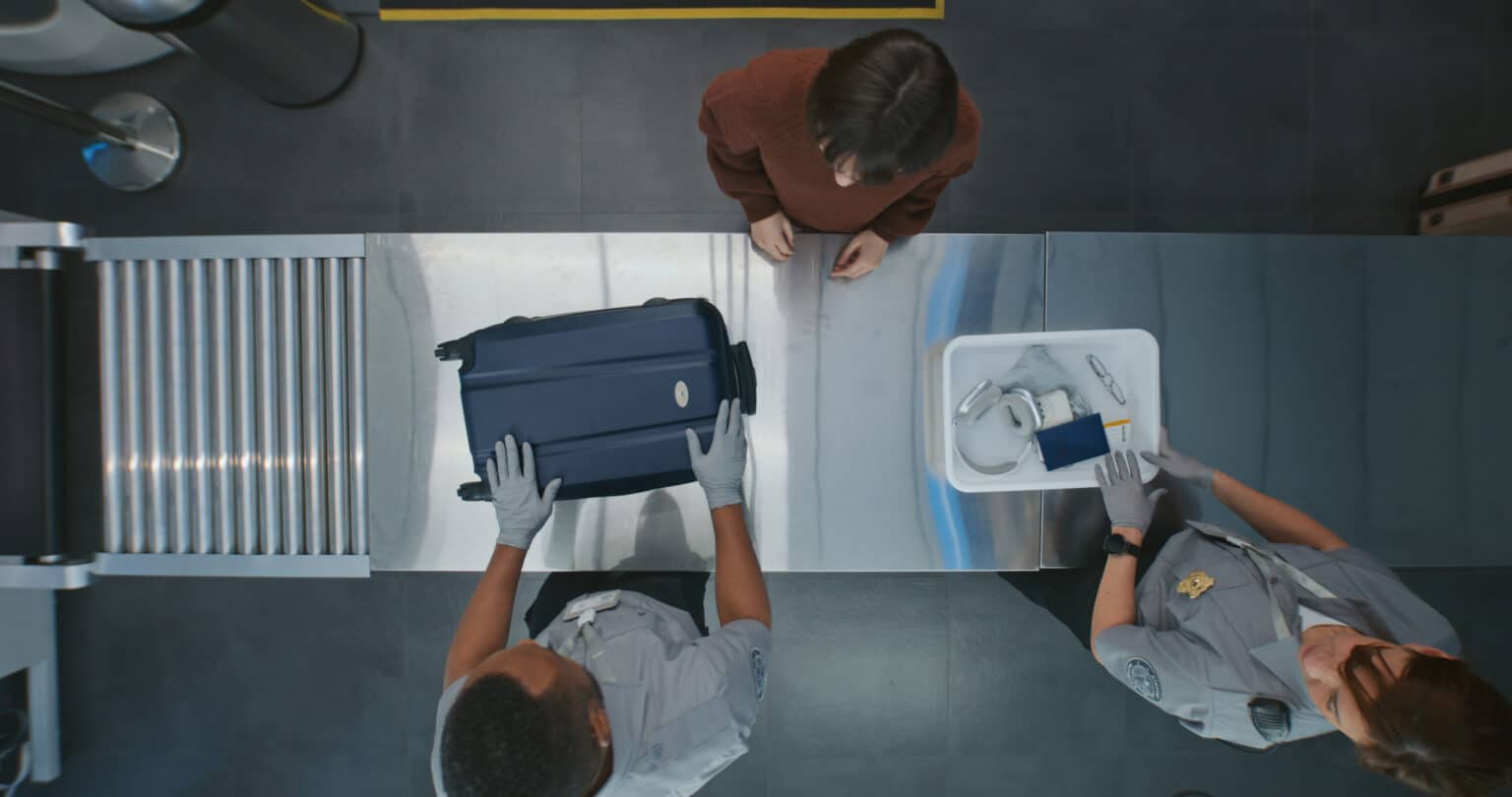
How Is Traveling with Hearing Aids Different?
Traveling with hearing aids is largely the same as traveling without; you just need to bring a few extra supplies and know how to go through airport security.
Hearing Aid Supplies To Pack
Remember to pack the following items before your flight:
- Hearing aid charger or extra batteries
- Hearing aid cleaning kit
- Hearing aid dryer or drying jar
- Extra wax filters
- Spare tubing or domes
- Hearing aid accessories, such as retention clips or TV adaptors, if you use them
- An electronics case to keep your gear organized
You should pack any hearing aid items you use regularly. If your devices use batteries, bring the amount you would normally use during the time frame you’ll be gone, plus a couple extra.
How To Pack Your Supplies
Store your hearing aid accessories in an electronics case or bag. Avoid splitting accessories up if possible. You should wear your devices while you’re flying and bring their accessories in your carry-on bag; if the airline loses your checked bag, you won’t have to buy new hearing aid supplies.
Make sure you keep all liquids in a separate pouch from your hearing aid supplies and designate a spot inside your luggage to put your hearing aids if you choose to take them out mid-flight.
Going Through Security
Many people worry they’ll need to remove their devices at security, but that isn’t the case. Your devices will help you navigate the airport and communicate with the flight crew and security. Hearing aids shouldn’t set off the metal detectors or scanners that TSA uses. However, it is still a good idea to inform security that you’re wearing hearing aids.
With a little preparation, flying with hearing aids will be smooth and easy. If you have any more questions about caring for your hearing aids on the go, contact Gary D. Schwartzberg, Au.D., Doctor of Audiology to speak to one of our specialists.
Learn More
Sources
[1] National Institute on Deafness and Other Communication Disorders. (2024). Quick statistics about hearing, balance, & dizziness. U.S. Department of Health and Human Services. https://www.nidcd.nih.gov/health/statistics/quick-statistics-hearing